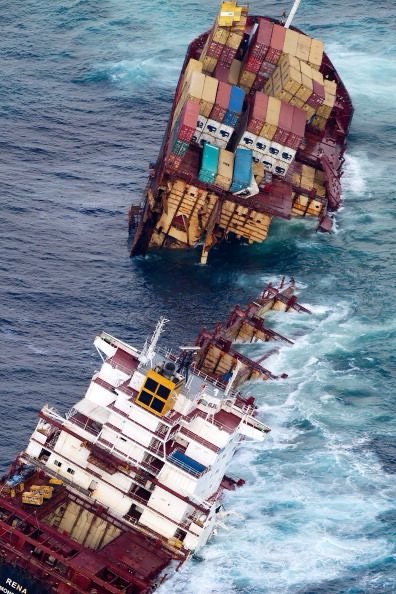
In early May 2025, a major maritime incident in the North Sea sent shockwaves through the marine and environmental sectors. A collision between two commercial vessels led to the spillage of both aviation fuel and heavy fuel oil into the water, triggering a swift environmental response and sparking urgent conversations around maritime safety, liability, and risk preparedness.
This unfortunate event, which endangered seabirds, marine mammals, and local fisheries, underscores the high-stakes nature of offshore logistics and operations. Beyond the immediate cleanup efforts, the incident is a wake-up call for companies operating in the maritime and oil sectors to reevaluate their risk management strategies.
⚠️ Environmental and Economic Fallout
The leakage of hazardous fuels into a sensitive marine ecosystem has prompted:
• Emergency containment and cleanup operations coordinated by environmental agencies.
• Wildlife rescue missions targeting impacted seabirds and marine mammals.
• Potential lawsuits and insurance claims stemming from environmental damage and operational delays.
• Heightened scrutiny from regulators, reinforcing the need for strict compliance and due diligence in vessel navigation and emergency preparedness.
Such incidents are costly—not just financially, but reputationally. And they are, importantly, preventable.
🛡️ How Sttewwards Is Advancing Proactive Risk Management
At Sttewwards, we believe that prevention is more valuable than post-crisis reaction. Our approach combines real-world risk forecasting with strategic partnerships to ensure companies can safeguard their people, assets, and operations—especially in volatile environments like offshore and deep-sea transport.
Through our collaboration with leading insurance partners, we offer bespoke risk management workshops designed to equip marine operators with the tools, training, and insights needed to minimize risk and maximize response effectiveness. Here’s how:
1. Scenario-Based Risk Simulations
We run live and virtual workshops where marine crews, offshore workers, and operations managers practice their response to incidents such as:
Mid-sea collisions Fuel spills and environmental hazards Navigation system failures Insurance claim processes post-incident
2. Regulatory Compliance Readiness
Our workshops integrate up-to-date maritime compliance requirements, such as IMO regulations and environmental safety standards. This ensures teams aren’t just prepared—they’re legally covered.
3. Collaborative Risk Mapping
Together with insurers, we help clients identify key vulnerability zones—both geographic and procedural—and build customized response strategies that integrate emergency services, claim management, and communication protocols.
4. Insurance-Integrated Response Planning
In the event of an incident, your response timeline directly affects your coverage, liability, and reputation. Our programs help companies:
Understand what’s required to activate insurance protection. Maintain proper documentation and digital evidence trails. Minimize policy breaches during emergency response.
🌍 A Safer, Smarter Marine Industry Starts With Preparedness
The North Sea collision is a clear sign: even experienced companies are vulnerable without rigorous preparedness. At Sttewwards, we’re not waiting for another vessel to spill its cargo before we act—and neither should you.
Our work with insurance partners is not only about protecting assets—it’s about empowering maritime businesses to operate with confidence, accountability, and sustainability.
Are you ready to navigate your risks before they escalate?
Join our next Maritime Risk Workshop or contact us at Sttewwards to build a resilient, compliant, and environmentally responsible future.
 The Sttewwards Limited
Leave a comment