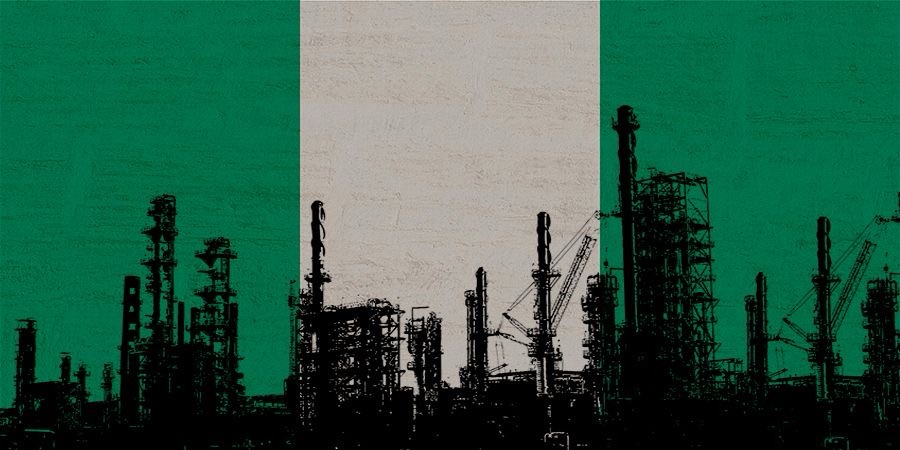
As of May 2025, Nigeria is intensifying efforts to elevate its crude oil production to at least 2.1 million barrels per day (bpd) by the end of the year, aligning with the Nigerian Upstream Petroleum Regulatory Commission’s (NUPRC) target. This initiative is pivotal for enhancing government revenues and stabilizing the economy, given that oil exports constitute approximately 70% of Nigeria’s export revenues and fund over half of government spending.
Strategic Initiatives to Achieve Production Targets
1. Project 1MBOPD Incremental Initiative
Launched in October 2024, this initiative aims to add one million bpd to Nigeria’s output by 2026. Since its inception, crude oil production has increased by 250,000 bpd, rising from 1.5 million bpd to 1.75 million bpd. Key strategies include re-entry of candidate wells, attracting funding for exploration and development, and increasing rig counts, with 38 rigs currently in operation and a target of 50 by March 2025.
2. Combating Oil Theft through Operation Delta Sanity
The government has intensified efforts to curb oil theft via Operation Delta Sanity (OPDS), employing advanced equipment, including armed drones and attack helicopters. These measures have already increased production from 1.4 million bpd last year to 1.8 million bpd currently.
3. Leadership Reforms at NNPC
In April 2025, President Bola Tinubu dismissed the entire 11-member board of the Nigerian National Petroleum Company (NNPC), appointing Bashir Ojulari, a seasoned industry executive, as the new head. This move aims to restore investor confidence and address longstanding issues of mismanagement within the company.
4. Attracting Foreign Investment
Nigeria is securing significant foreign investments to enhance its oil production capacity. ExxonMobil has announced a $1.5 billion investment in the Usan deepwater oil field, with plans to revitalize production between Q2 2025 and 2027. Additionally, Shell’s $5 billion investment in the Bonga North deepwater project is expected to contribute significantly to production levels.
5. Infrastructure Modernization
Recognizing the challenges posed by aging infrastructure, the government is prioritizing the modernization of oil and gas facilities. This includes replacing pipelines over 50 years old and implementing advanced technologies to enhance efficiency and reduce operational costs.
Outlook
While Nigeria faces challenges such as fluctuating production levels and the need for substantial investment to sustain production at desired levels, the current strategies and reforms in place position the country on a promising path to achieving its 2025 oil production targets. Continued collaboration between government agencies, industry stakeholders, and international partners will be crucial in realizing these ambitious goals.
 The Sttewwards Limited
Leave a comment