Category: Uncategorized

  • ⚡️ Lighting Up Rural Nigeria: The Rise of Solar Mini-Grids

    ⚡️ Lighting Up Rural Nigeria: The Rise of Solar Mini-Grids

    In recent years, Nigeria’s energy landscape has begun a quiet but powerful transformation — not in urban centres, but across the vast, underserved rural areas of the country. At the heart of this transformation is the rapid expansion of solar mini-grids, a sustainable solution to Nigeria’s long-standing energy access gap.

    As a company committed to sustainable infrastructure and energy development, Sttewwards Limited highlights this critical shift and the pioneering companies and institutions driving it forward.

    Why Solar Mini-Grids Matter

    Despite being Africa’s largest economy, over 40% of Nigerians — more than 85 million people — still live without reliable access to electricity. For many rural communities, connection to the national grid is either years away or simply not viable due to cost and terrain challenges.

    This is where solar mini-grids come in. These systems, often designed for villages and small towns, generate power locally using solar panels, with battery storage for nighttime use. They offer an independent, clean, and scalable solution to rural electrification, empowering homes, schools, clinics, and businesses.

    Key Players Leading the Charge

    Several forward-thinking energy companies are spearheading this shift:

    🔹 Rensource Energy

    A major player in Nigeria’s renewable energy space, Rensource is focused on commercial and industrial (C&I) solar solutions, particularly in underserved markets. The company’s innovative “energy-as-a-service” model allows businesses to switch to solar without heavy upfront costs.

    🔹 Husk Power Systems

    Husk has been rolling out solar hybrid mini-grids across Nigeria and other African countries. Their goal is to build 500 mini-grids by 2027, serving thousands of households and MSMEs. They combine solar, battery storage, and diesel backup to ensure 24/7 reliable power — critical for community sustainability.

    🔹 Daystar Power

    Specializing in solar energy for businesses, Daystar Power is rapidly expanding its footprint in Nigeria. Their systems are deployed in agriculture, manufacturing, and finance sectors, demonstrating the growing commercial viability of solar in Nigeria’s broader economy.

    Institutional Backing: World Bank and REA

    These private sector efforts are not operating in isolation. Support from global and local institutions has been vital.

    🌍 World Bank Support

    Through the Nigeria Electrification Project (NEP), the World Bank is injecting funds into off-grid solar solutions, helping companies scale faster and reach more communities. This program includes performance-based grants, which reduce the cost burden for developers and make solar mini-grids more accessible to rural consumers.

    🏛️ Rural Electrification Agency (REA)

    The REA, Nigeria’s lead agency on off-grid power, is playing a crucial coordination and regulatory role. Through initiatives like the Performance-Based Grant Program and Energizing Economies Initiative, REA is driving a national push for inclusive energy access and improving the enabling environment for private developers.

    Opportunities & Challenges

    While momentum is strong, challenges remain. Issues like regulatory uncertainty, logistics in remote areas, foreign exchange constraints, and affordability for rural customers require continued attention.

    However, the opportunity is vast: with over 20 million households off-grid, Nigeria represents one of the biggest markets for solar mini-grids in Africa.

    Looking Ahead

    At Sttewwards Limited, we believe the success of solar mini-grids in Nigeria is not just an energy story — it’s a story of economic empowerment, health, education, and climate resilience.

    By enabling reliable electricity in rural areas, these systems unlock growth for agriculture, small businesses, and digital connectivity. They also reduce reliance on diesel generators, cutting both emissions and long-term energy costs.

    As the sector continues to grow, Sttewwards remains committed to collaborating with stakeholders across engineering, logistics, and finance to support sustainable energy solutions that light up Nigeria — one community at a time.
  • North Sea Ship Collision Raises Environmental Concerns: A Call for Proactive Risk Management in Maritime Operations

    North Sea Ship Collision Raises Environmental Concerns: A Call for Proactive Risk Management in Maritime Operations

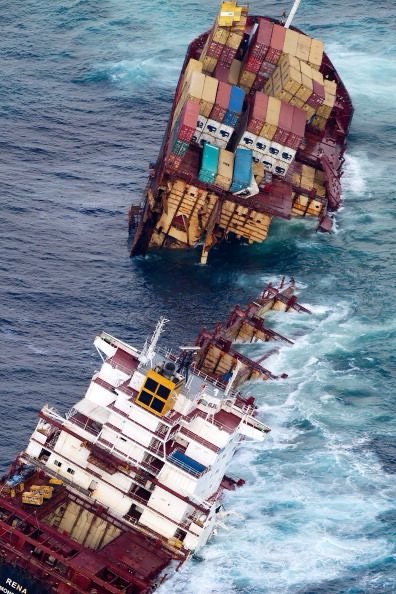
    In early May 2025, a major maritime incident in the North Sea sent shockwaves through the marine and environmental sectors. A collision between two commercial vessels led to the spillage of both aviation fuel and heavy fuel oil into the water, triggering a swift environmental response and sparking urgent conversations around maritime safety, liability, and risk preparedness.

    This unfortunate event, which endangered seabirds, marine mammals, and local fisheries, underscores the high-stakes nature of offshore logistics and operations. Beyond the immediate cleanup efforts, the incident is a wake-up call for companies operating in the maritime and oil sectors to reevaluate their risk management strategies.

    ⚠️ Environmental and Economic Fallout

    The leakage of hazardous fuels into a sensitive marine ecosystem has prompted:

    Emergency containment and cleanup operations coordinated by environmental agencies.

    Wildlife rescue missions targeting impacted seabirds and marine mammals.

    Potential lawsuits and insurance claims stemming from environmental damage and operational delays.

    Heightened scrutiny from regulators, reinforcing the need for strict compliance and due diligence in vessel navigation and emergency preparedness.

    Such incidents are costly—not just financially, but reputationally. And they are, importantly, preventable.

    🛡️ How Sttewwards Is Advancing Proactive Risk Management

    At Sttewwards, we believe that prevention is more valuable than post-crisis reaction. Our approach combines real-world risk forecasting with strategic partnerships to ensure companies can safeguard their people, assets, and operations—especially in volatile environments like offshore and deep-sea transport.

    Through our collaboration with leading insurance partners, we offer bespoke risk management workshops designed to equip marine operators with the tools, training, and insights needed to minimize risk and maximize response effectiveness. Here’s how:

    1. Scenario-Based Risk Simulations

    We run live and virtual workshops where marine crews, offshore workers, and operations managers practice their response to incidents such as:

    Mid-sea collisions Fuel spills and environmental hazards Navigation system failures Insurance claim processes post-incident

    2. Regulatory Compliance Readiness

    Our workshops integrate up-to-date maritime compliance requirements, such as IMO regulations and environmental safety standards. This ensures teams aren’t just prepared—they’re legally covered.

    3. Collaborative Risk Mapping

    Together with insurers, we help clients identify key vulnerability zones—both geographic and procedural—and build customized response strategies that integrate emergency services, claim management, and communication protocols.

    4. Insurance-Integrated Response Planning

    In the event of an incident, your response timeline directly affects your coverage, liability, and reputation. Our programs help companies:

    Understand what’s required to activate insurance protection. Maintain proper documentation and digital evidence trails. Minimize policy breaches during emergency response.

    🌍 A Safer, Smarter Marine Industry Starts With Preparedness

    The North Sea collision is a clear sign: even experienced companies are vulnerable without rigorous preparedness. At Sttewwards, we’re not waiting for another vessel to spill its cargo before we act—and neither should you.

    Our work with insurance partners is not only about protecting assets—it’s about empowering maritime businesses to operate with confidence, accountability, and sustainability.

    Are you ready to navigate your risks before they escalate?

    Join our next Maritime Risk Workshop or contact us at Sttewwards to build a resilient, compliant, and environmentally responsible future.

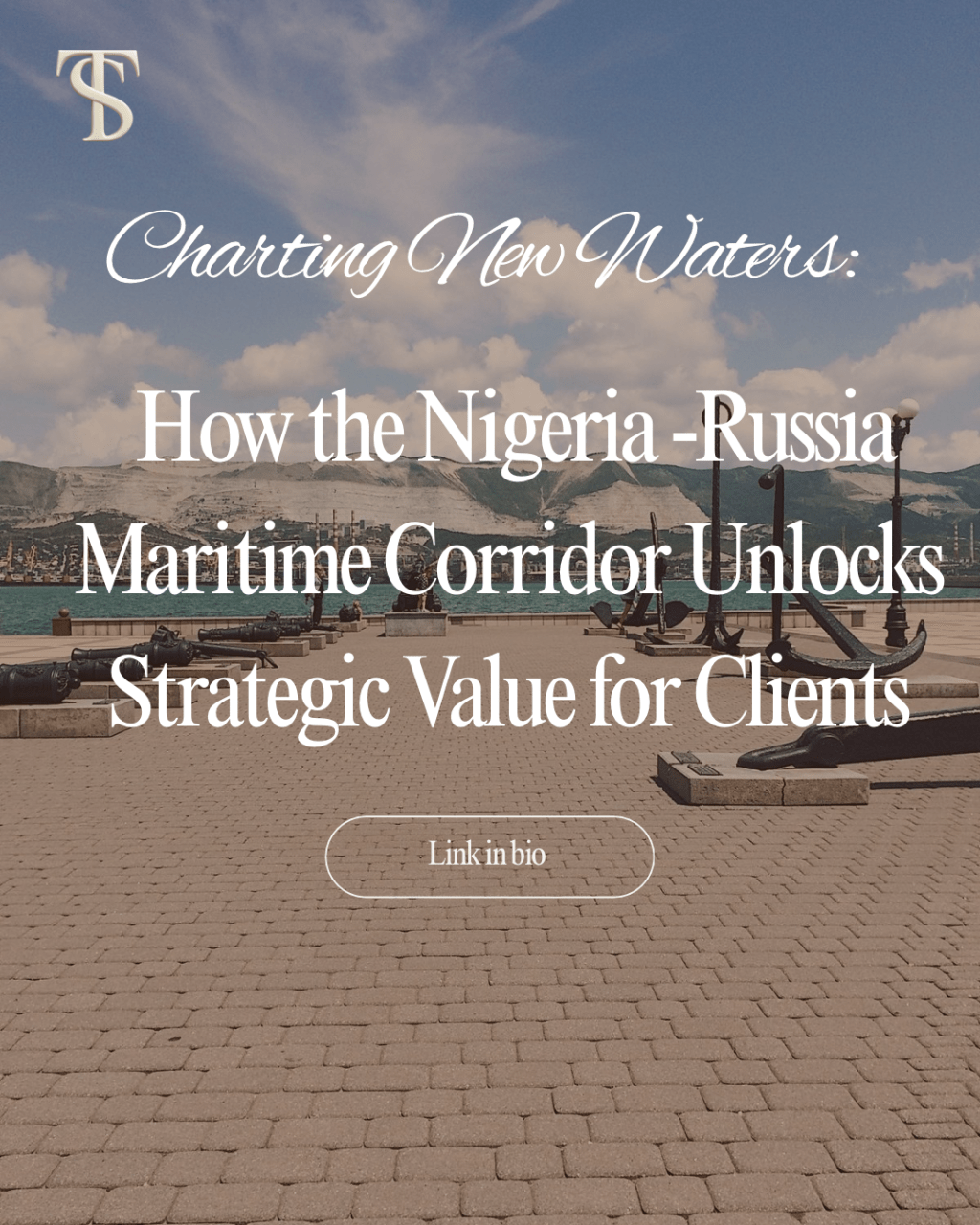
  • Charting New Waters: How the Nigeria–Russia Maritime Corridor Unlocks Strategic Value for Clients

    Charting New Waters: How the Nigeria–Russia Maritime Corridor Unlocks Strategic Value for Clients

    The maritime relationship between Nigeria and Russia has entered a new phase of commercial and strategic cooperation. In mid-June 2025, Russia’s A7 African Cargo Lines will inaugurate a direct shipping service linking Novorossiysk and Lagos, deploying two 700-TEU vessels and planning future calls in Dakar to bolster West African connectivity . This route complements recent defense and financial pacts—Russia expanded its foreign-exchange market to include Nigerian banks in February 2025  and held high-level military-technical talks in March 2025 —underscoring a multidimensional partnership. As maritime consultants, Sttewwards is uniquely positioned to leverage this evolution: our deep expertise in route optimization, regulatory compliance, and risk management will translate these developments into tangible advantages—faster transit times, cost savings, and market intelligence—for our clients.

    Background of Nigeria-Russia Maritime Cooperation

    Historical Ties

    Nigeria and Russia first signed a Military-Technical Cooperation Agreement in 2021, under which Russia supplied training, logistics, and equipment to the Nigerian armed forces . This laid the groundwork for broader collaboration, with successive meetings—such as March 2025 talks between Russian Deputy Minister of Defense Yunus-bek Yevkurov and Nigeria’s Chief of Defense Staff, General Christopher Musa—renewing commitments to defense, logistics, and equipment supply .

    Recent Military and Financial Agreements

    Beyond defense, Russia has integrated Nigeria into its financial ecosystem. In February 2025, the Kremlin authorized Nigerian banks to trade currencies and derivatives on the Moscow Exchange, expanding the list of “friendly and neutral” countries from 30 to 40 . This move enhances direct ruble-naira conversion, reduces exchange-rate volatility, and facilitates payments in national currencies .

    Launch of the Novorossiysk-Lagos Shipping Route

    Route Specifications and Timeline

    A7 African Cargo Lines, founded by former FESCO chairman Andrei Severilov, will commence a feeder service between Novorossiysk and Lagos in mid-June 2025, using two chartered 700-TEU container ships . This line represents the first direct maritime link between Russia’s Black Sea ports and West Africa, with plans eventually to call at Dakar, Senegal .

    Cargo Focus and Regional Expansion

    The service will export Russian agricultural produce, machinery, and transport equipment to Nigeria, while importing West African commodities—particularly Mali’s cotton, which yields over 650,000 tons annually . By establishing reliable scheduling and competitive rates, the route aims to reduce transit times and logistical bottlenecks that have historically hampered Russo-West African trade.

    Strategic Implications for Trade

    Diversification of Supply Chains

    This maritime corridor diversifies Russia’s trade routes beyond Europe and Asia, mitigating risks associated with geopolitical tensions and sanctions . For Nigeria, direct access to Black Sea ports unlocks new sourcing options for fertilizers, grains, and industrial equipment, reducing dependency on traditional European suppliers.

    Regional Economic Integration

    By linking major hubs—Lagos and Dakar—the route fosters West African economic integration. It aligns with ECOWAS goals for intra-regional trade growth, offering landlocked Sahel states improved access to global markets via Nigeria’s ports .

    Sttewward’s Position in the Industry

    Comprehensive Maritime Consulting Expertise

    Sttewwards combines operational, commercial, and technical advisory services honed over decades in global shipping  . Our experts navigate complex regulatory regimes, optimize vessel utilization, and design bespoke logistics solutions, ensuring clients capitalize on new routes like Novorossiysk-Lagos.

    Robust Network and Digital Capabilities

    With established agent networks in Lagos, Novorossiysk, and Dakar, Sttewwards offers on-ground support for customs clearance, port handling, and inland transport coordination  . Our digital platform provides real-time vessel tracking, predictive maintenance alerts, and data-driven route optimization, reducing delays and cost overruns  .

    Advantages for Our Clients

    Cost Efficiency and Risk Mitigation

    By leveraging Sttewwards’ bulk purchasing agreements and hedging strategies, clients achieve lower freight rates and stabilize budgeting against currency fluctuations  . Our risk assessments incorporate geopolitical, security, and environmental factors, enabling proactive mitigation—vital amid rising maritime security concerns  .

    Regulatory Compliance and Market Intelligence

    Sttewwards ensures full compliance with Nigerian Maritime Administration and Safety Agency (NIMASA) and Russian port regulations, streamlining documentation and minimizing port-state control delays . We deliver tailored market intelligence—covering tariff changes, port congestion metrics, and competitor analysis—empowering clients to make informed trade-finance and inventory decisions.

    Conclusion

    The new Russia-Nigeria shipping line marks a milestone in Black Sea–West Africa connectivity, backed by deepening defense and financial ties. Sttewward’s industry-leading consultancy, extensive network, and digital tools position our clients to seize these emerging opportunities—optimizing costs, enhancing resilience, and expanding market reach. As this maritime corridor evolves, partnering with Sttewwards ensures you stay ahead in a dynamic global trade landscape.

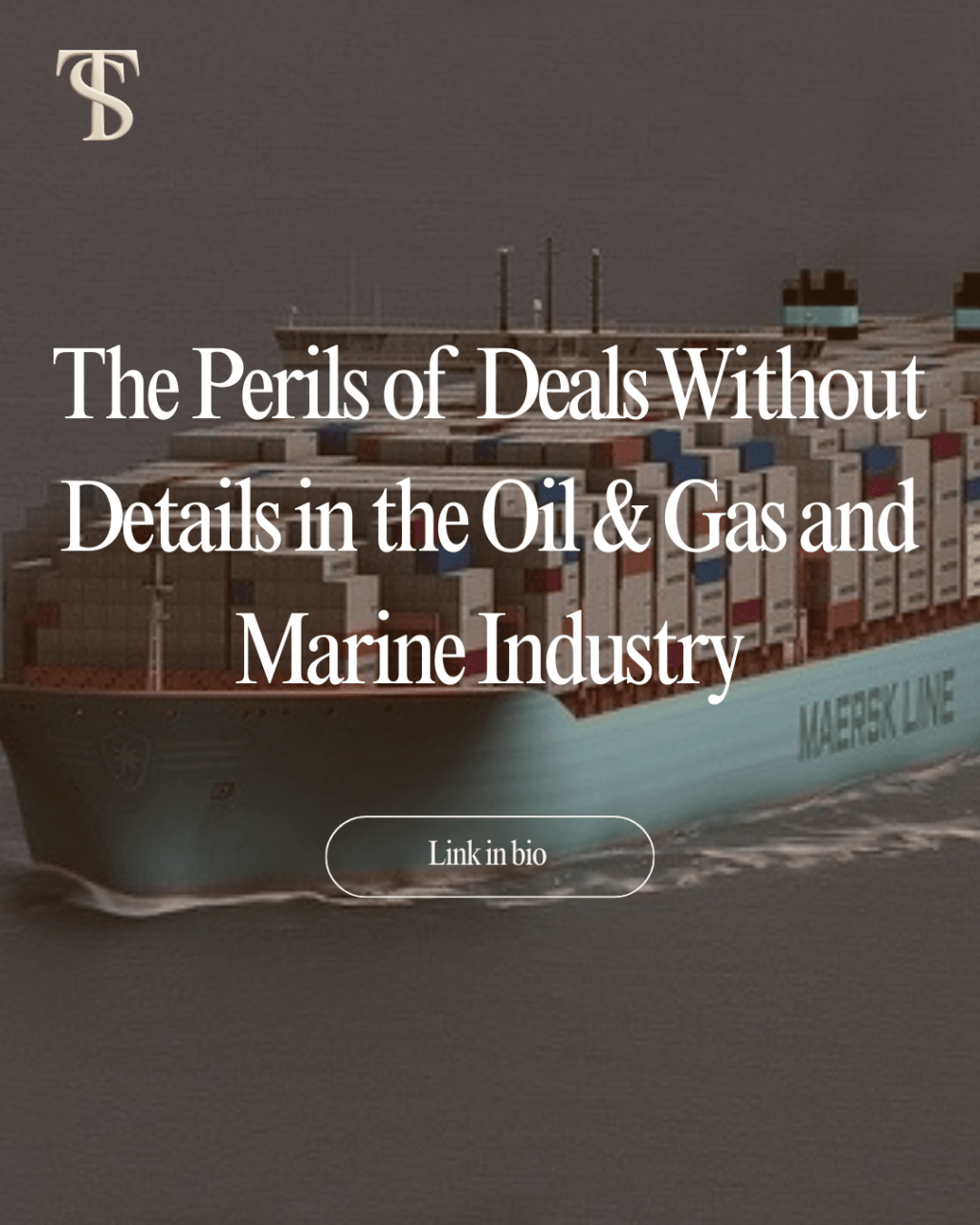
  • The Perils of Deals Without Details in the Oil & Gas and Marine Industry

    The Perils of Deals Without Details in the Oil & Gas and Marine Industry

    In the high-stakes world of oil & gas and marine operations, success hinges on precision, reliability, and clarity. With vast sums of money, environmental concerns, and human safety at stake, entering into agreements without a clear understanding of the details can lead to disastrous outcomes. Yet, in a rush to secure projects, meet tight deadlines, or gain a competitive edge, stakeholders in this industry sometimes engage in deals where critical terms are vague, incomplete, or entirely absent. The consequences of such oversights are often severe — financially, legally, and operationally.

    The Illusion of Speed

    In the fast-paced environment of offshore projects and oil exploration, time is money. This urgency can drive operators and contractors to agree on preliminary terms without full documentation or a detailed understanding of scope, responsibilities, or deliverables. While this may seem like a way to keep projects moving, it often backfires.

    Ambiguous contracts lead to misaligned expectations. What one party assumes is included in a scope of work, another may consider an additional cost. In marine logistics or vessel charters, for example, unclear terms on demurrage, fuel costs, or crew responsibilities can become contentious quickly. Once operations begin, rectifying these misunderstandings is exponentially more difficult and expensive.

    Operational and Safety Risks

    In industries where operations often occur in hostile environments and involve heavy machinery, detailed planning and documentation are not just administrative necessities—they are safety imperatives. Vague contracts can result in unclear lines of authority, undefined emergency protocols, or inadequate preparation for risks.

    Imagine a diving support vessel mobilized under a loosely defined agreement. Without clear terms outlining responsibilities for subsea inspection tools, saturation diving support, or ROV coordination, teams may operate under conflicting assumptions. This confusion can lead to accidents, missed inspection targets, or worse — safety incidents with life-threatening consequences.

    Legal and Financial Fallout

    When a deal lacks details, the legal footing becomes shaky. Disputes over payment terms, liability in case of delays or damages, or intellectual property over shared data are common when contracts are loosely structured. In a jurisdictionally complex industry like oil & gas — often involving multinational partners, contractors, and flag-state regulations — such ambiguity can lead to protracted and expensive legal battles.

    Litigation in these sectors is notoriously time-consuming and can stall ongoing operations, damage reputations, and even result in the loss of licenses or regulatory penalties. Moreover, unclear insurance obligations and liabilities can leave parties exposed to claims with no recourse for coverage.

    Contractual Discipline as a Strategic Asset

    Clear, detailed agreements are not just legal instruments — they are strategic tools. They allow for thorough planning, realistic budgeting, risk management, and resource allocation. Detailed contracts also foster trust. When all parties know what is expected and agreed upon, relationships are strengthened, and collaboration improves.

    The most successful oil & gas and marine companies treat contractual discipline as a core business value. They invest in robust contract management teams, enforce rigorous pre-contract due diligence, and prioritize clarity even under pressure. This diligence pays dividends in operational resilience and long-term partnerships.

    Conclusion

    Deals without details are not shortcuts — they are traps. In the oil & gas and marine industry, where the margins for error are razor-thin and the consequences of failure can be catastrophic, clarity is not optional. Companies must resist the urge to “move fast and fix later” and instead embed detail, diligence, and discipline into every agreement. Only then can the industry operate with the safety, reliability, and accountability it demands.

  • Building a Resilient Mining Sector in Nigeria: Insights from the BusinessDay Solid Minerals Conference 2025

    Building a Resilient Mining Sector in Nigeria: Insights from the BusinessDay Solid Minerals Conference 2025

    The BusinessDay Solid Minerals Conference 2025, themed “Building a Resilient Mining Sector in Nigeria: Leveraging Diplomacy, International Partnerships, and Regulatory Coherence,” convened a diverse array of stakeholders to chart a transformative path for Nigeria’s mining industry. The conference underscored the nation’s commitment to revitalizing its solid minerals sector through strategic collaborations and comprehensive reforms.

    Keynote Address: Dr. Dele Alake’s Visionary 7-Point Agenda

    In his keynote address, Dr. Dele Alake, Honourable Minister of the Federal Ministry of Solid Minerals Development, unveiled a comprehensive 7-point agenda aimed at overhauling the mining sector:

    Regulatory Reform: Streamlining licensing processes to enhance transparency and efficiency.

    Capacity Building: Establishing training programs to develop local expertise and technical skills.

    Security Enhancement: Implementing measures to safeguard mining operations and communities.

    Environmental Stewardship: Promoting sustainable mining practices to mitigate ecological impacts. Infrastructure Development: Investing in critical infrastructure to support mining activities.

    Investment Promotion: Creating a conducive environment to attract both domestic and foreign investments.

    Community Engagement: Ensuring that mining activities contribute positively to local communities.

    International Partnerships and Capacity Building

    Dr. Alake highlighted the significance of international collaborations in achieving the ministry’s objectives. Memoranda of Understanding (MOUs) have been signed with countries including France, Western Australia, the United Kingdom, Saudi Arabia, South Africa, Mexico, and Venezuela. These agreements focus on:

    Technical Assistance: Sharing best practices and technological innovations.

    Training and Education: Facilitating knowledge exchange programs for Nigerian professionals.

    Investment Opportunities: Encouraging foreign direct investment in Nigeria’s mining sector.

    Establishment of the Africa Ministerial Strategy Group

    To foster continental collaboration, Dr. Alake announced the formation of the Africa Ministerial Strategy Group, with himself as chairman. This initiative aims to:

    Coordinate Policies: Harmonize mining regulations across African nations.

    Attract Investments: Present a unified front to potential investors.

    Share Resources: Pool expertise and resources for mutual benefit.

    Successes of the Mining Marshals Initiative

    The conference also celebrated the achievements of the Mining Marshals, a task force established to combat illegal mining activities. To date, the initiative has:

    Arrested 300 Illegal Miners: Demonstrating a commitment to enforcing mining laws. Reclaimed 90 Mine Sites: Restoring areas previously exploited without authorization.

    Contributions from Esteemed Speakers

    The conference featured insights from prominent figures, including:

    Dr. Henry Dele: Discussed the importance of research and development in mining.

    Mr. Nonye Ayeni: Highlighted investment opportunities in the sector.

    Mr. Tunde Fagbemi: Emphasized the role of technology in modern mining operations.

    Amina Ruth Sijuwade: Advocated for gender inclusion in mining.

    Engr. Janet Adeyemi: Addressed environmental concerns and sustainable practices.

    Mrs. Ibi Ogunbiyi: Spoke on legal frameworks governing mining activities.

    Mr. Uba Saidu Malami: Shared insights on community relations and conflict resolution.

    Ms. Rose Ndong: Discussed the integration of artisanal miners into the formal economy.

    Mr. David Raymond Edet: Highlighted the importance of data management in mining operations.

    Conclusion

    The BusinessDay Solid Minerals Conference 2025 marked a pivotal moment in Nigeria’s journey toward a resilient and sustainable mining sector. Through strategic planning, international collaboration, and a commitment to reform, Nigeria is poised to unlock the full potential of its mineral resources for national development.

  • DATA-DRIVEN STRATEGIES TO ATTRACT AND ENGAGE CUSTOMERS

    In the current dynamic global landscape, how consumers engage with products and services is rapidly evolving. The accessibility of products and services from across the globe has been significantly enhanced by the advent of faster and easier payment methods. For business owners, leveraging digital tools to facilitate customer engagement and global product sales has become pivotal. Emphasizing simplicity and convenience is crucial, as consumers are inclined to favour such attributes. This discourse delineates methods through which businesses can strategically engage their customers.

    ENGAGING LAUNCH VIDEO

    A captivating launch video holds the potential to generate substantial traction for your business. Key elements to incorporate in your launch video are as follows:

    – High production quality: The quality of your production serves as a reflection of your brand, influencing consumer perceptions. Investing in top-notch production quality is imperative in establishing your brand as a high-quality entity.

    – Effective product placement: Visual merchandising plays a crucial role. Demonstrating how the product can be utilized, and styled, and its various applications can significantly enhance its appeal to potential customers.

       – Product features: Highlight the unique features of your product that set it apart in the market, effectively communicating the value proposition to customers.

    – Serving diverse communities: By showcasing how your product addresses specific issues encountered by various communities, you can underscore its relevance and utility, thus appealing to a wider customer base.

    – Embracing diversity: Given the accessibility of products to diverse global audiences, catering to the needs and preferences of various demographics can significantly enhance the appeal and sales potential of your products.

    – Advocating for your brand: Sharing the story behind your brand, the inspiration driving it, and the individuals involved in bringing your ideas to fruition humanizes your brand, thereby fostering stronger connections with your customer base.

    For more tips on Business Development Strategies follow our LinkedIn: @The Stewward and Instagram: @the_stewward_Ltd

  •  STRATEGIC POSITIONING: MEETING CUSTOMER NEEDS

     Last week, We delved into two ways an organization can strategically position itself in the market, Differentiation and Competition analysis. This week we will round up our discussion on strategic positioning by discussing the third way an organization can strategically position itself in the market.

    MEETING CUSTOMERS NEEDS.

    The success of any product or service is hinged upon its ability to address a specific need or solve a problem for the customer. Essentially, businesses exist to identify a problem and provide a solution for it. Some of the most successful companies have achieved this by creating a need and then fulfilling it. A notable example is the introduction of smartphones, which successfully addressed a need that consumers were not even aware of until the product was available. Similarly, electric car manufacturer Tesla tapped into a need for sustainable transportation that consumers didn’t know they had. Additionally, Netflix pioneered a platform that fulfilled the need for convenient access to a wide array of entertainment content.

    The primary objective of any business is to cater to the needs of its consumers. To achieve this, businesses must be adept at anticipating and effectively responding to these needs. Essentially, entrepreneurs should view themselves as the initial consumers of their product or service. If a product or service successfully meets its own needs, it is likely to have the potential to fulfil the needs of other customers as well. However, it’s crucial to recognize that not every product or service will be suitable for every customer; rather, they will specifically serve those for whom the product provides a viable solution.

    For more tips on Business Development Strategies follow our LinkedIn: @The Stewward and Instagram: @the_stewward_Ltd

  • Strategic Positioning: Differentiation & Competition Analysis

    Last week, we discussed the three key factors that an organization must consider before strategically positioning itself in the market: the WHO, WHAT & WHERE. This week, we will delve into two of the three ways an organization can strategically position itself in the market.


    Differentiation:

    Your business’s uniqueness should be a key differentiator in the market. This distinctiveness may come from innovative features, exceptional quality, superior customer service, or unique value propositions. Your business needs to offer something that cannot be easily replicated or obtained elsewhere. This uniqueness should be integrated into your branding, marketing, and overall business strategy to effectively communicate and showcase the exceptional value that your products or services offer compared to those of your competitors. This clear distinction is crucial for persuading consumers to choose your offerings over others.


    Competitor Analysis:

    As a business owner, it is crucial to thoroughly analyze your competitors to gain a comprehensive understanding of their strengths and weaknesses. This in-depth knowledge is vital for strategically positioning your business in the market, allowing you to understand the competitive landscape and use it to your advantage.

    For more tips on Business Development Strategies follow our LinkedIn: @The Stewward and Instagram: @the_stewward_Ltd

  • Strategic Positioning: WHO, WHAT & WHERE

    In our previous discussion, strategic positioning was introduced with a focus on how organizations can position themselves effectively in the market. This week, we will conduct an in-depth analysis of the three pivotal factors essential for strategic positioning, namely WHO, WHAT, and WHERE.

    WHO:

    Every business must discern its specific market and target audience. While a business may offer a solution to society, it is crucial to recognize that its offerings are not universally applicable. It is essential to gain a clear understanding of the intended beneficiaries of the business, their requirements, socioeconomic status, and annual income. Identifying these factors empowers companies to pinpoint their target audience. For instance, a company specializing in the sale of milk and dairy products provides a solution to society but specifically caters to families, nursing mothers, and health and fitness trainers. Conversely, individuals with lactose intolerance or other health issues are unlikely to utilize their products.

    WHAT:

    Identifying the problem that the business solution addresses in the lives of the target audience is paramount. The business should effectively meet the immediate needs of the target audience, positioning the service as indispensable to them. Using the example of a company selling milk and dairy products, it becomes evident that nursing mothers and families with children aged 0-18 are the primary beneficiaries of their products. The “what” of the service is just as crucial as the “who” the products and services were designed for.

    WHERE:

    The geographical location is of utmost importance. Understanding where the target audience is situated and where the business’s operations are based significantly influences the approach to engaging the audience. Whether the business operates online or through a physical store, its presence should align with the accessibility and convenience of the target audience.

    For more tips on Business Development Strategies follow our LinkedIn: @The Stewward and Instagram: @the_stewward_Ltd

  • STRATEGIC POSITIONING.

    Strategic positioning is a crucial consideration in business, as it involves differentiating an organization from its competitors by offering superior value to customers. The value proposition of a company is significantly influenced by its positioning within the market, location, and society. To strategically position a company, it is essential to consider three key factors: WHO, WHAT, and WHERE.

    Firstly, identifying the target audience (WHO) is fundamental. Understanding the needs and desires of the target market (WHAT) is equally important, followed by determining how the company can best fulfill those needs through its products and services in the target market’s location (WHERE).

    Once these factors are established, the organization can strategically position itself through the following steps:

    1. Differentiation: Highlighting what makes the product or service unique and emphasizing the reasons for consumers to choose it. By creating a differentiated offering with a unique selling point, the organization can showcase its value, leading to increased demand.
    2. Competitor Analysis: Understanding the strengths and weaknesses of competitors and utilizing this knowledge to capitalize on their weaknesses while building upon the organization’s strengths.
    3.  Providing Better Value for Customers: Offering superior value to customers through various means such as competitive pricing, perceived product quality, and exceptional customer service. Tailoring products and services to meet diverse customer needs is essential in strategically positioning the organization in the market. In conclusion, strategic positioning is vital for creating a competitive advantage, as it emphasizes the unique value that the organization offers to its customers. By differentiating products and services, understanding competitors, and delivering superior value, a business can effectively position itself for success in the market.

    For more tips on Business Development Strategies follow our LinkedIn: @The Stewward and Instagram: @the_stewward_Ltd

Design a site like this with WordPress.com
Get started