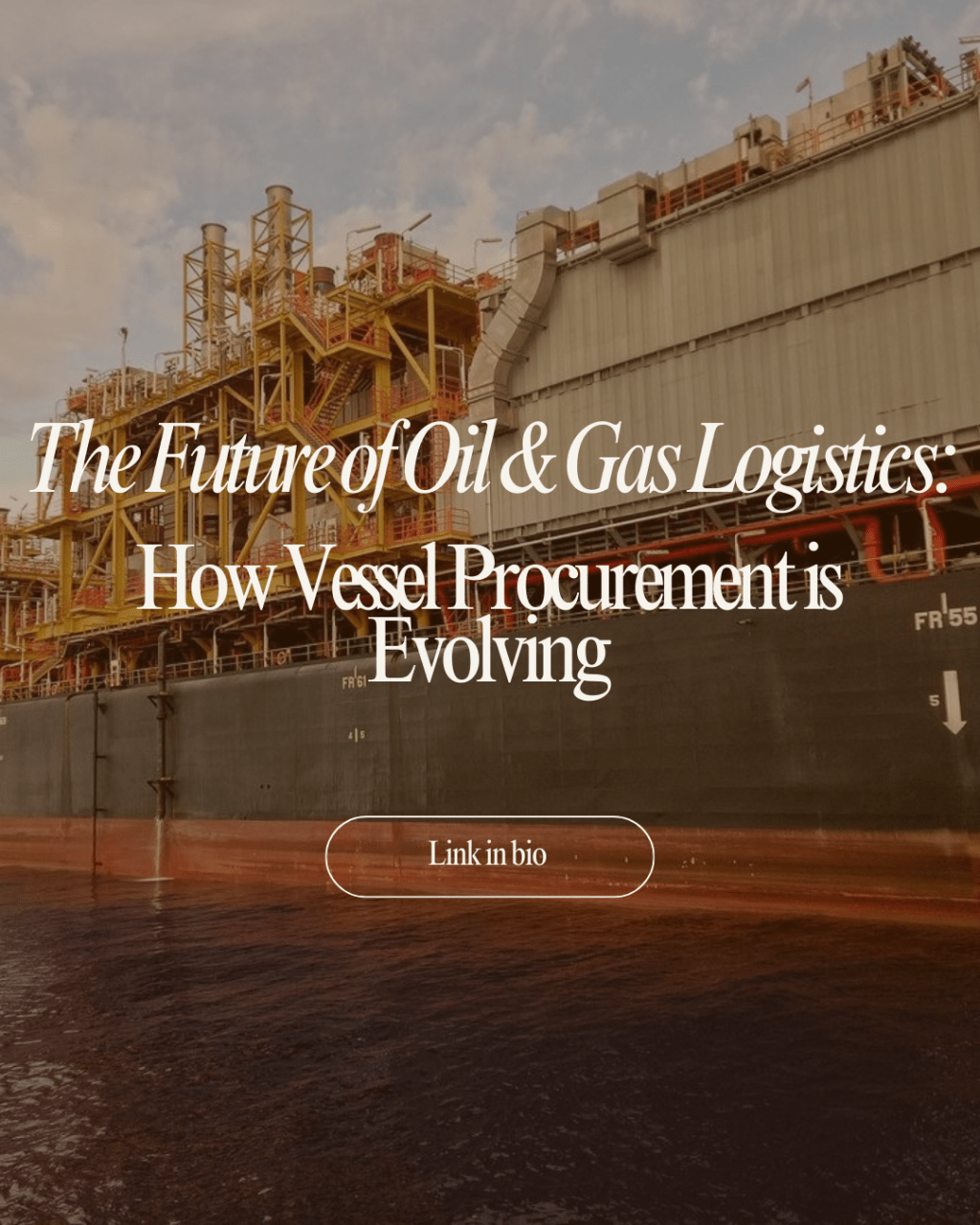
The oil and gas industry has always depended on maritime logistics to move its products across global markets. However, today’s dynamic environment—marked by volatile markets, tightening environmental regulations, and rapid technological advances—is forcing a transformation in vessel procurement strategies. Once driven solely by capital costs and immediate operational needs, procurement is now a strategic, multifaceted function that plays a critical role in long-term logistics performance.
Shifting from Transactional to Strategic Procurement
In the past, oil companies focused on acquiring vessels at the lowest cost to meet short-term operational requirements. Today, the procurement process has evolved into a long-term strategic function. Companies now evaluate vessels based on a range of factors beyond the purchase price, including:
• Lifecycle Costs: Emphasizing fuel efficiency, maintenance expenses, and the residual value of a vessel throughout its operational life.
• Digital Integration: Using advanced analytics, digital twin simulations, and real-time monitoring systems to forecast operational needs and optimize fleet performance.
• Environmental Impact: Addressing regulatory pressures and sustainability goals by procuring vessels with dual-fuel or hybrid capabilities that can run on cleaner fuels.
This strategic focus allows companies to build fleets that are not only cost-effective but also agile enough to adapt to market fluctuations and evolving regulatory landscapes.
Digital Transformation and Automation
Digitalization has become a cornerstone of modern vessel procurement. Automation tools and AI-powered platforms are transforming how oil and gas companies manage their fleets by:
• Enhancing Decision-Making: Digital twin technology and predictive analytics enable companies to simulate vessel performance under various conditions, forecast maintenance needs, and optimize fuel consumption.
• Improving Transparency: Real-time tracking systems powered by IoT sensors provide live data on vessel performance and position, ensuring compliance with safety and environmental standards.
• Reducing Human Error: Automated procurement systems streamline administrative tasks, reducing the risk of costly errors that can occur in manual processes.
A recent analysis from Ship Technology emphasizes that digital procurement models can process orders up to 35% faster than traditional methods, significantly reducing administrative costs and enhancing operational efficiency.
Embracing Sustainability in Fleet Management
As environmental concerns grow and governments tighten emissions standards, oil and gas companies are increasingly looking to green vessel technologies. The drive for sustainability is reshaping vessel procurement through:
• Dual-Fuel and Hybrid Technologies: Modern vessels are being designed to run on a combination of fuels such as LNG, methanol, hydrogen, and even ammonia. This flexibility not only reduces emissions but also hedges against the uncertainty of which fuel type will become the industry standard.
• Retrofitting for Efficiency: Existing vessels are being upgraded with advanced propulsion systems, waste heat recovery, and optimized hull designs to lower fuel consumption and reduce carbon footprints.
• Future-Proofing Investments: By integrating green technologies at the design stage, companies can ensure their fleets remain compliant with future environmental regulations while reducing long-term operating costs.
The push toward sustainability is not only a regulatory imperative but also a strategic move to enhance brand reputation and market competitiveness in an era where stakeholders increasingly value environmental responsibility.
Integration of Advanced Technologies
The rapid evolution of digital technologies is providing oil and gas companies with new tools to enhance vessel procurement and fleet management. Innovations include:
• Blockchain for Transparency: By enabling secure, immutable record-keeping, blockchain technology ensures end-to-end traceability of vessel transactions and can help verify vessel ownership and compliance.
• IoT and Sensor Networks: These technologies offer real-time insights into vessel performance, monitor environmental conditions, and alert operators to potential maintenance issues before they become critical.
• Predictive Analytics and Machine Learning: By analyzing historical data and current operational metrics, predictive models can optimize scheduling, anticipate market shifts, and help mitigate risks associated with fleet downtime.
Together, these technologies drive efficiency and reliability, ensuring that vessel procurement is not only more informed but also aligned with broader business objectives.
Collaborative and Agile Procurement Models
Modern vessel procurement is increasingly characterized by a collaborative approach. Oil and gas companies are forging long-term relationships with shipbuilders, technology providers, and logistics partners to share risks and drive innovation. By moving away from ad-hoc purchases toward integrated procurement strategies, companies can:
• Enhance Fleet Flexibility: A diversified fleet enables companies to adjust quickly to market demands and regulatory changes.
• Mitigate Risks: Strategic partnerships and joint ventures allow for shared risk in capital-intensive projects and can secure favorable terms during economic downturns.
• Drive Innovation: Collaboration across the supply chain encourages the exchange of best practices and accelerates the adoption of emerging technologies.
This integrated approach ensures that vessel procurement becomes a vital component of the overall logistics strategy, contributing to improved operational resilience and cost-effectiveness.
Looking Ahead
As the oil and gas sector navigates a rapidly evolving global landscape, the future of vessel procurement lies in its ability to integrate digital innovation, sustainability, and strategic collaboration. Companies that invest in advanced technologies, embrace green vessel designs, and build robust partnerships will be best positioned to optimize their fleets for the challenges of tomorrow.
In summary, vessel procurement is transforming from a purely transactional activity into a strategic function that drives the future of oil and gas logistics. This evolution promises enhanced efficiency, reduced environmental impact, and greater agility in the face of market volatility and regulatory change.
 The Sttewwards Limited
Leave a comment