Blog

  • ⚡️ Lighting Up Rural Nigeria: The Rise of Solar Mini-Grids

    ⚡️ Lighting Up Rural Nigeria: The Rise of Solar Mini-Grids

    In recent years, Nigeria’s energy landscape has begun a quiet but powerful transformation — not in urban centres, but across the vast, underserved rural areas of the country. At the heart of this transformation is the rapid expansion of solar mini-grids, a sustainable solution to Nigeria’s long-standing energy access gap.

    As a company committed to sustainable infrastructure and energy development, Sttewwards Limited highlights this critical shift and the pioneering companies and institutions driving it forward.

    Why Solar Mini-Grids Matter

    Despite being Africa’s largest economy, over 40% of Nigerians — more than 85 million people — still live without reliable access to electricity. For many rural communities, connection to the national grid is either years away or simply not viable due to cost and terrain challenges.

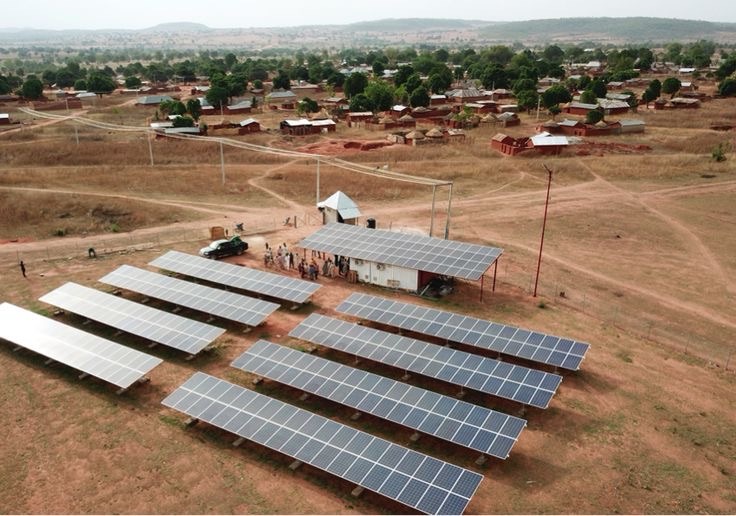
    This is where solar mini-grids come in. These systems, often designed for villages and small towns, generate power locally using solar panels, with battery storage for nighttime use. They offer an independent, clean, and scalable solution to rural electrification, empowering homes, schools, clinics, and businesses.

    Key Players Leading the Charge

    Several forward-thinking energy companies are spearheading this shift:

    🔹 Rensource Energy

    A major player in Nigeria’s renewable energy space, Rensource is focused on commercial and industrial (C&I) solar solutions, particularly in underserved markets. The company’s innovative “energy-as-a-service” model allows businesses to switch to solar without heavy upfront costs.

    🔹 Husk Power Systems

    Husk has been rolling out solar hybrid mini-grids across Nigeria and other African countries. Their goal is to build 500 mini-grids by 2027, serving thousands of households and MSMEs. They combine solar, battery storage, and diesel backup to ensure 24/7 reliable power — critical for community sustainability.

    🔹 Daystar Power

    Specializing in solar energy for businesses, Daystar Power is rapidly expanding its footprint in Nigeria. Their systems are deployed in agriculture, manufacturing, and finance sectors, demonstrating the growing commercial viability of solar in Nigeria’s broader economy.

    Institutional Backing: World Bank and REA

    These private sector efforts are not operating in isolation. Support from global and local institutions has been vital.

    🌍 World Bank Support

    Through the Nigeria Electrification Project (NEP), the World Bank is injecting funds into off-grid solar solutions, helping companies scale faster and reach more communities. This program includes performance-based grants, which reduce the cost burden for developers and make solar mini-grids more accessible to rural consumers.

    🏛️ Rural Electrification Agency (REA)

    The REA, Nigeria’s lead agency on off-grid power, is playing a crucial coordination and regulatory role. Through initiatives like the Performance-Based Grant Program and Energizing Economies Initiative, REA is driving a national push for inclusive energy access and improving the enabling environment for private developers.

    Opportunities & Challenges

    While momentum is strong, challenges remain. Issues like regulatory uncertainty, logistics in remote areas, foreign exchange constraints, and affordability for rural customers require continued attention.

    However, the opportunity is vast: with over 20 million households off-grid, Nigeria represents one of the biggest markets for solar mini-grids in Africa.

    Looking Ahead

    At Sttewwards Limited, we believe the success of solar mini-grids in Nigeria is not just an energy story — it’s a story of economic empowerment, health, education, and climate resilience.

    By enabling reliable electricity in rural areas, these systems unlock growth for agriculture, small businesses, and digital connectivity. They also reduce reliance on diesel generators, cutting both emissions and long-term energy costs.

    As the sector continues to grow, Sttewwards remains committed to collaborating with stakeholders across engineering, logistics, and finance to support sustainable energy solutions that light up Nigeria — one community at a time.
  • Why Nigeria Needs to Reward Students Who Study Oil, Gas, and Marine-Related Courses

    Why Nigeria Needs to Reward Students Who Study Oil, Gas, and Marine-Related Courses

    By Uduakabasi Okpo

    Introduction: Why This Topic Matters

    Nigeria makes most of its money—about 90% of its income—from just one source: the oil, gas, and marine industries. These industries involve drilling oil, transporting it through ships, and managing everything around the sea and energy.

    Even though these industries are very important to the country, our schools and universities are not preparing enough young people to work in them. That’s a big problem.

    This is where incentives come in. Incentives are rewards or benefits that encourage people to do something—like scholarships, training programs, or even job guarantees.

    What’s Happening Right Now?

    Many students in Nigeria finish school with degrees that are not useful in industries like oil, gas, and marine. This leads to:

    Unemployment: Graduates can’t find jobs.Importing foreign workers: Companies hire experts from other countries because there aren’t enough skilled Nigerians.Wasted potential: We’re not using our own young people to grow the economy.

    What the UK Is Doing Right (And We Can Learn From)

    The United Kingdom knows that technology and science are important for the future. So, they promote STEM education—which stands for Science, Technology, Engineering, and Mathematics.

    They do things like:

    Give scholarships and grants to students studying STEM subjects.Partner with companies to provide real-life work experience.Run campaigns to show young people that STEM careers are exciting and well-paying.

    This way, the UK is producing smart, skilled workers who can help the country’s industries grow.

    Why Nigeria Should Do the Same (But Focus on Oil, Gas, and Marine)

    Just like the UK uses STEM to grow its economy, Nigeria should focus on encouraging students to study oil, gas, and marine-related courses. Why?

    1.We Need Our Own Experts

    Right now, foreign experts are doing the jobs Nigerians could do. If more Nigerians had the right skills, companies would hire them instead.

    2.Energy Is Changing

    The world is moving toward cleaner energy and smarter technologies. Nigeria needs young, educated minds to help lead this change.

    3.More Jobs and Less Poverty

    If more Nigerians are trained in these industries, they can get good-paying jobs. This reduces poverty and boosts the economy.

    What Kind of Incentives Can Help?

    To attract students into oil, gas, and marine fields, Nigeria can offer:

    1. Scholarships and Free Education

    Pay for students who want to study courses like marine engineering, geology, or petroleum technology.

    2. Industry Training Programs

    Set up training centers where students can learn real skills directly from professionals.

    3. Partnerships Between Schools and Companies

    Oil companies can work with universities to design courses that match real job needs.

    4. Internships and Job Offers

    Give students chances to work while studying—and guarantee jobs after graduation.

    5. Tax Benefits for Companies

    Encourage companies to invest in student training by offering them tax cuts or other rewards.

    6. Awareness Campaigns

    Run TV, radio, and social media campaigns to show young people how exciting and rewarding these careers can be.

    Conclusion: A Better Future Starts with Smart Choices Today

    Nigeria has the resources, the industries, and the people. What it needs now is a smarter education system that rewards and supports students who choose to study fields that actually help the country grow.

    If the government, schools, and companies work together to offer the right incentives—just like the UK did with STEM—Nigeria can build a strong future with skilled professionals driving its most important industries.

    It’s not just about oil and gas—it’s about giving young Nigerians a real chance to succeed and lead the nation forward.

  • The Real Cost of Old Equipment in Nigeria’s Oil & Gas and Marine Industry

    The Real Cost of Old Equipment in Nigeria’s Oil & Gas and Marine Industry

    Nigeria’s oil, gas, and marine industries are very important to the economy. But much of the equipment used — like pipelines, oil rigs, ships, and port facilities — is old and worn out. These outdated systems are now more expensive to keep running and harder to sell.

    So, companies are faced with a big decision:

    •Should they keep spending money on old equipment?

    •Should they build or buy new ones?

    •Or should they try to sell them, even though few people want to buy?

    The Problem with Keeping Old Equipment

    Many of the machines and systems used today were built 30 to 50 years ago. Maintaining them now is:

    Very expensive: Fixing and checking old pipelines, replacing broken parts, and keeping the systems safe costs a lot of money.

    Risky: Old equipment is more likely to break down, cause oil spills, or even accidents.

    Not worth it: After spending so much on repairs, you still don’t get the same performance as a new one.

    In fact, keeping old equipment can cost up to 70% of the price of buying a new one — without the benefits.

    Why New Equipment Is Better — But Hard to Afford

    Buying or building new systems has clear advantages:

    •They work better and are safer.

    •They break down less often.

    •They meet international safety and environmental standards.

    But the downside is the cost. In Nigeria, getting the money to build or buy new things is hard because:

    •Loans are difficult to access.

    •The value of the Naira keeps dropping.

    •Prices keep rising (inflation).

    •Government approvals take too long.

    Still, in the long run, investing in new equipment can save money and improve productivity.

    Selling Old Equipment? Easier Said Than Done

    Selling old oil rigs, ships, or pipelines isn’t easy:

    •Buyers don’t want to spend money fixing them.

    •It’s hard to get government approval to use old equipment.

    •Environmental rules are stricter now.

    •Insurance for old systems is expensive or hard to get.

    Even when you find a buyer, they may not pay much — and the sale can take a long time.

    What’s the Way Forward? A Smarter, Hybrid Approach

    Rather than choosing just one option, the best solution is a mix of different strategies. Here’s what Nigeria should do:

    1. Know What’s Worth Keeping

    Use technology to check which assets still have value and which ones are too far gone. This helps avoid wasting money.

    2. Government and Private Sector Should Work Together

    The government and big oil companies can create special funds to help smaller companies pay for new equipment.

    3. Use Smaller, Portable Systems

    Instead of big, permanent setups, companies can invest in portable and modular systems that are easier to move, maintain, and replace.

    4. Recycle Old Equipment

    Set up centers where old parts can be cleaned, repaired, and reused. This saves money, reduces waste, and creates jobs.

    5. Lease Instead of Buy

    Instead of buying equipment outright, companies can lease it from service providers. This cuts costs and reduces risk. Insurance companies like TGH Insurance Brokers can help make these deals safe and smooth.

    In Summary

    Fixing old oil and marine equipment in Nigeria is getting more expensive and risky. Building or buying new systems is better, but costly upfront. Selling old gear is tough because no one wants it.

    The best solution is a smart mix:

    •Know what to keep and what to replace.

    •Partner with others to share costs.

    •Use flexible portable systems.

    •Recycle where possible

    •Lease equipment instead of buying it outright.

    With the right strategy, Nigeria can modernize its oil and marine industries and stay strong in the global energy market.

  • Nigeria Charts Ambitious Course to Boost Oil Production by 2025

    Nigeria Charts Ambitious Course to Boost Oil Production by 2025

    As of May 2025, Nigeria is intensifying efforts to elevate its crude oil production to at least 2.1 million barrels per day (bpd) by the end of the year, aligning with the Nigerian Upstream Petroleum Regulatory Commission’s (NUPRC) target. This initiative is pivotal for enhancing government revenues and stabilizing the economy, given that oil exports constitute approximately 70% of Nigeria’s export revenues and fund over half of government spending.

    Strategic Initiatives to Achieve Production Targets

    1. Project 1MBOPD Incremental Initiative

    Launched in October 2024, this initiative aims to add one million bpd to Nigeria’s output by 2026. Since its inception, crude oil production has increased by 250,000 bpd, rising from 1.5 million bpd to 1.75 million bpd. Key strategies include re-entry of candidate wells, attracting funding for exploration and development, and increasing rig counts, with 38 rigs currently in operation and a target of 50 by March 2025. 

    2. Combating Oil Theft through Operation Delta Sanity

    The government has intensified efforts to curb oil theft via Operation Delta Sanity (OPDS), employing advanced equipment, including armed drones and attack helicopters. These measures have already increased production from 1.4 million bpd last year to 1.8 million bpd currently.

    3. Leadership Reforms at NNPC

    In April 2025, President Bola Tinubu dismissed the entire 11-member board of the Nigerian National Petroleum Company (NNPC), appointing Bashir Ojulari, a seasoned industry executive, as the new head. This move aims to restore investor confidence and address longstanding issues of mismanagement within the company.

    4. Attracting Foreign Investment

    Nigeria is securing significant foreign investments to enhance its oil production capacity. ExxonMobil has announced a $1.5 billion investment in the Usan deepwater oil field, with plans to revitalize production between Q2 2025 and 2027. Additionally, Shell’s $5 billion investment in the Bonga North deepwater project is expected to contribute significantly to production levels.

    5. Infrastructure Modernization

    Recognizing the challenges posed by aging infrastructure, the government is prioritizing the modernization of oil and gas facilities. This includes replacing pipelines over 50 years old and implementing advanced technologies to enhance efficiency and reduce operational costs. 

    Outlook

    While Nigeria faces challenges such as fluctuating production levels and the need for substantial investment to sustain production at desired levels, the current strategies and reforms in place position the country on a promising path to achieving its 2025 oil production targets. Continued collaboration between government agencies, industry stakeholders, and international partners will be crucial in realizing these ambitious goals.

  • The Hidden Costs of Nigeria’s Oil Production Surge Without Adequate Infrastructure

    The Hidden Costs of Nigeria’s Oil Production Surge Without Adequate Infrastructure

    By Uduakabasi Okpo

    Nigeria, Africa’s leading oil producer, has recently intensified efforts to boost crude oil output, aiming to revitalize its economy and attract foreign investment. However, this expansion has outpaced the development of essential infrastructure and regulatory frameworks, leading to significant economic inefficiencies, environmental degradation, infrastructural strain, and social unrest. This report examines the multifaceted costs of increasing oil production without adequate systems to sustain operations.

    1. Economic Inefficiencies and Risks

    High Production Costs and Revenue Losses

    In the first half of 2024, Nigeria produced 235.9 million barrels of crude oil, generating $19.5 billion in revenue. However, operating costs consumed $11.4 billion—approximately 58.46% of the revenue—due to factors like oil theft, pipeline vandalism, and outdated infrastructure.

    Gas Flaring and Financial Waste

    In 2024, Nigeria flared an estimated $1.2 billion worth of natural gas, resulting in $601 million in fines. This practice not only represents a significant economic loss but also hampers the country’s ability to meet local energy demands and export liquefied natural gas (LNG).

    2. Environmental Degradation and Cleanup Costs

    Oil Spills and Ecosystem Damage

    The Niger Delta has suffered extensive environmental damage due to oil spills, with an estimated 13 million barrels spilled since 1958. These spills have destroyed mangrove forests, contaminated water sources, and led to the loss of biodiversity.

    Gas Flaring and Health Hazards

    Gas flaring releases harmful pollutants, contributing to acid rain, soil degradation, and respiratory illnesses among local populations. Despite regulations, enforcement remains weak, allowing companies to continue flaring with minimal consequences.

    3. Strain on Infrastructure

    Outdated Facilities and Operational Challenges

    Nigeria’s oil infrastructure, including pipelines and refineries, is aging and insufficient to handle increased production. Frequent pipeline leaks and maintenance issues have led to production shortfalls, with actual output falling below the country’s technical capacity and OPEC quotas.

    Dangote Refinery: A Case Study

    The Dangote Petroleum Refinery, intended to reduce fuel imports, has faced delays and operates below capacity due to limited crude oil supply and infrastructural challenges.

    4. Community Impacts and Social Unrest

    Health and Livelihood Concerns

    Communities in oil-producing regions face health risks from pollution and have experienced declines in agriculture and fishing due to environmental degradation. These issues have led to increased poverty and social unrest.

    Militancy and Political Instability

    The destruction of oil infrastructure has sparked political crises, such as the emergency declaration in Rivers State following pipeline explosions. These incidents highlight the link between inadequate infrastructure, environmental harm, and political instability.

    5. Long-Term Sustainability and Investor Confidence

    Investor Hesitancy

    While companies like ExxonMobil plan significant investments in Nigeria’s oil sector, concerns about infrastructure, environmental risks, and regulatory challenges may deter sustained investment.

    Government Initiatives

    The Nigerian government has pledged to address environmental issues, including a $12 billion investment over 12 years for remediation in Bayelsa State. However, effective implementation and enforcement remain critical for long-term sustainability.

    Conclusion

    Nigeria’s push to increase oil production without corresponding investments in infrastructure and environmental safeguards has led to substantial economic, environmental, and social costs. To ensure sustainable growth, it is imperative for policymakers, industry stakeholders, and communities to collaborate on developing robust systems that support responsible oil production, protect the environment, and promote social well-being.

  • The Need for Adequate Corporate Governance Practices in the Oil, Gas, and Marine Industry for Sustained Growth

    The Need for Adequate Corporate Governance Practices in the Oil, Gas, and Marine Industry for Sustained Growth

    By Uduakabasi Okpo

    In the dynamic and capital-intensive sectors of oil, gas, and marine, the stakes are high. These industries are not only critical to the global economy but also deeply intertwined with environmental stewardship, national security, and socio-economic development. In regions like Nigeria and other resource-rich countries, they are pillars of national revenue and employment. However, the history of these sectors is punctuated by financial mismanagement, environmental scandals, regulatory violations, and community unrest — often rooted in poor corporate governance.

    As the global energy landscape evolves, adequate corporate governance is no longer a luxury — it is a necessity for sustained growth, investor confidence, environmental integrity, and social license to operate.

    Why Corporate Governance Matters

    1. Financial Transparency and Investor Confidence

    Robust corporate governance builds systems of transparency, accountability, and sound financial reporting. In the oil and gas and marine industries, where billions are spent on exploration, production, logistics, and infrastructure, poor governance can lead to cost overruns, misallocation of resources, and corruption. Strong governance structures reassure investors and international partners that funds are managed responsibly, projects are executed ethically, and profits are fairly reported.

    2. Regulatory Compliance and Risk Management

    These sectors operate under intense regulatory scrutiny — from environmental laws to local content regulations and international maritime codes. Without a strong governance framework, companies risk non-compliance, fines, and loss of operating licenses. Good governance ensures alignment with legal standards and embeds risk management practices that help firms navigate complex regulatory environments.

    3. Environmental, Social, and Governance (ESG) Accountability

    Corporate governance is a core pillar of ESG. In an era of climate sensitivity and rising community expectations, oil and gas firms must demonstrate responsibility beyond profit. Poor spill management, inadequate compensation to host communities, or unsafe marine operations can damage reputations and attract costly legal actions. Governance mechanisms like sustainability reporting, stakeholder engagement, and independent board oversight protect both the environment and corporate reputation.

    4. Operational Efficiency and Long-Term Planning

    Well-governed companies are better structured to make long-term strategic decisions — from energy diversification to digital transformation. In a volatile industry where oil prices, shipping costs, and geopolitical tensions fluctuate, resilient governance structures help companies stay agile, efficient, and competitive.

    5. Protection Against Corruption and Ethical Breaches

    The oil and marine sectors are historically vulnerable to corruption, especially in developing countries. Adequate governance practices — including independent auditing, board oversight, and whistleblower protections — act as critical safeguards. Ethical leadership, driven by a code of conduct and corporate values, fosters a culture of integrity across the value chain.

    Governance Challenges in Nigeria’s Oil & Marine Sector

    Nigeria, Africa’s largest oil producer and a major player in marine logistics, faces persistent governance challenges including:

    Opaque licensing and concession processes.

    Lack of enforcement of regulatory standards.

    Weak corporate reporting and auditing.

    Overlapping oversight from multiple regulatory bodies.

    Minimal community involvement in project decisions.

    These issues have led to lost revenue, legal disputes, operational inefficiencies, and community conflicts — all of which threaten long-term industry sustainability.

    Pathways to Stronger Corporate Governance

    To build a future-ready oil and marine industry, stakeholders must prioritize the following:

    Board Independence and Competence: Diverse and qualified boards that can challenge management decisions and ensure oversight.

    Transparent Procurement Processes: Clear, auditable supply chain and contract award procedures.

    Regular ESG and Financial Reporting: Aligning with global standards like IFRS, GRI, and SASB for stakeholder trust.

    Regulatory Harmonization: Collaboration between bodies like NUPRC, NMDPRA, and NIMASA for streamlined oversight.

    Community Engagement and Inclusion: Integrating host communities into governance structures and benefit-sharing models.

    Conclusion

    The oil, gas, and marine sectors hold vast potential for driving economic growth, especially in resource-rich nations like Nigeria. But to unlock this potential, the foundation must be built on adequate corporate governance practices. Only then can the industry ensure resilience, foster innovation, attract sustainable investment, and gain the trust of all stakeholders — from shareholders and regulators to local communities and the global market.

    In the words of Peter Drucker, “Culture eats strategy for breakfast.” For the oil and marine industries, governance is the culture that ensures the strategy succeeds.

  • Embracing the Future: How Nigeria’s Oil & Gas Sector is Driving Low-Carbon Innovation

    Embracing the Future: How Nigeria’s Oil & Gas Sector is Driving Low-Carbon Innovation

    By Sttewwards Limited

    In a world increasingly defined by the race to decarbonize, Nigeria’s oil and gas industry is entering a transformative era—where energy transition technology is no longer optional, but essential. With mounting pressure from global markets, investors, and local communities, the industry is now turning to low-carbon innovation as both a growth strategy and a survival imperative.

    At the forefront of this evolution is the Nigerian Upstream Petroleum Regulatory Commission (NUPRC), whose Decarbonisation Framework mandates carbon-reduction strategies across all new field developments. This framework is more than just policy—it is a call to action, urging operators to embed sustainability from the reservoir to the refinery.

    Modular Gas Plants & Renewables Integration

    One of the most promising trends is the deployment of modular gas plants. These compact, scalable units are helping Nigeria monetize previously flared gas, reduce methane emissions, and bring cleaner energy closer to off-grid communities. When paired with renewable energy inputs—such as solar hybrid systems—they become a foundation for decentralized, low-carbon energy infrastructure.

    Across recent energy forums, industry experts have emphasized the critical role of technology in making these solutions viable at scale. Emission-reduction tech, such as smart flare monitoring, leak detection systems, and high-efficiency turbines, is now being deployed to improve environmental performance without sacrificing output.

    Carbon Capture and Utilization (CCU): A Game Changer

    Perhaps the most ambitious area of innovation is in carbon capture and utilization. Nigeria is now laying the groundwork for CCU systems to trap CO₂ at source—whether from gas processing plants or refineries—and either reuse it in enhanced oil recovery or store it underground. While still emerging, CCU projects are gaining traction through public-private partnerships and international funding.

    ExxonMobil’s $1.5 Billion Commitment: A Strategic Signal

    Further demonstrating the shift toward sustainable energy practices, ExxonMobil recently committed $1.5 billion for the 2025–2027 development of Nigeria’s deepwater fields—Usan, Owowo, and Erha. This investment aligns with NUPRC’s “Project 1 Million Barrels,” aimed at reviving underperforming assets through smart, tech-enabled production. Data analytics, digital planning tools, and predictive maintenance are integral to the initiative, reducing operational emissions while boosting output.

    Toward a Smarter, Cleaner Industry

    These collective moves point to a future where Nigeria’s oil and gas sector is both cleaner and more competitive. By investing in innovation today—modular systems, CCU, digital twins, and AI-driven analytics—the industry is not just reacting to global energy shifts, but shaping them.

    At Sttewwards Limited, we believe in leading this transition through thought leadership, strategic advisory, and operational excellence. As stakeholders in Nigeria’s energy journey, we remain committed to advancing solutions that meet today’s demands without compromising tomorrow’s potential.

    The energy transition is not a challenge to be feared—it is a path to resilience, relevance, and long-term value.

  • Oil and Gas Standards in Deals: International Standards vs. Nigerian Standards — Differences and Alignments

    Oil and Gas Standards in Deals: International Standards vs. Nigerian Standards — Differences and Alignments

    The oil and gas sector, as one of the most technically and commercially complex industries, relies heavily on established standards to guide operations, safety, environmental compliance, and commercial transactions. In deal structuring, standards help ensure clarity, fairness, and enforceability of terms between parties. In Nigeria—Africa’s largest oil producer—the interplay between local standards and international norms plays a crucial role in how deals are negotiated, executed, and monitored.

    This article explores the differences and areas of alignment between international oil and gas standards and those used in Nigeria, focusing on technical, legal, regulatory, and commercial frameworks.

    1. Overview of Oil and Gas Standards

    International Standards

    Global oil and gas deals are often governed by internationally recognized frameworks developed by organizations such as:

    International Petroleum Industry Environmental Conservation Association (IPIECA) American Petroleum Institute (API) International Organization for Standardization (ISO) International Association of Oil & Gas Producers (IOGP) International Financial Reporting Standards (IFRS) Energy Charter Treaty (ECT)

    These standards aim to harmonize best practices in engineering, health and safety, environmental management, fiscal regimes, and dispute resolution.

    Nigerian Standards

    In Nigeria, oil and gas standards are derived from a mix of legislation, regulatory frameworks, and guidelines issued by local agencies such as:

    Nigerian Upstream Petroleum Regulatory Commission (NUPRC) Nigerian Midstream and Downstream Petroleum Regulatory Authority (NMDPRA) Nigerian Content Development and Monitoring Board (NCDMB) Petroleum Industry Act (PIA) 2021 National Environmental Standards and Regulations Enforcement Agency (NESREA)

    The standards are tailored to reflect national priorities, including local content development, government revenue optimization, and environmental protection.

    2. Key Areas of Difference

    A. Local Content Requirements

    Nigeria: The Nigerian Oil and Gas Industry Content Development Act (2010) mandates specific quotas for Nigerian ownership, staffing, and procurement. Deals must incorporate local content plans and meet minimum thresholds for Nigerian participation.

    International: Most international standards promote efficiency and sustainability, with less emphasis on prescriptive local participation. Multinational operators may find Nigerian requirements more restrictive.

    B. Fiscal Regime and Contract Structure

    Nigeria: The PIA introduces a dual licensing system (concessionary and production sharing agreements) with distinct fiscal terms. The government maintains a strong influence over resource ownership and pricing policies.

    International: Deals are often based on market-based terms such as cost recovery mechanisms, sliding scale royalties, and arbitration clauses that ensure investor protection.

    C. Environmental and Safety Standards

    Nigeria: Environmental standards are set by NESREA and other local bodies, with Environmental Impact Assessments (EIAs) required for projects. Enforcement has historically been inconsistent.

    International: Standards such as ISO 14001 (environmental management) and OHSAS 18001/ISO 45001 (occupational safety) are rigorously enforced. International oil companies (IOCs) often apply stricter internal policies than required locally.

    D. Dispute Resolution Mechanisms

    Nigeria: Nigerian courts and domestic arbitration institutions may have jurisdiction, but concerns about impartiality and efficiency persist.

    International: Most major oil and gas deals involving IOCs prefer international arbitration (e.g., ICC, ICSID) to resolve disputes due to perceived neutrality and enforceability under treaties like the New York Convention.

    3. Areas of Alignment

    A. Adoption of Global Technical Standards

    Nigerian regulations often reference or incorporate international technical standards (e.g., API specifications, ISO standards) in areas such as pipeline construction, drilling operations, and metering.

    B. Environmental Safeguards

    While enforcement varies, Nigeria’s EIA and pollution management standards are conceptually aligned with global expectations, especially under PIA and international pressure on ESG compliance.

    C. Transparency and Reporting

    Nigeria is a member of the Extractive Industries Transparency Initiative (EITI) and publishes data on revenue flows, contracts, and ownership structures. This mirrors growing global emphasis on openness in resource governance.

    D. Transition to Cleaner Energy

    Both Nigerian and international frameworks are increasingly incorporating principles related to decarbonization, flaring reduction, and the transition to gas and renewables.

    4. Implications for Deal-Making

    Understanding the nuances between local and international standards is vital for investors, operators, and regulators. While Nigeria’s framework is evolving toward global best practices, challenges remain in harmonizing local requirements—especially around local content and dispute resolution—with investor expectations. Dealmakers must:

    Conduct thorough regulatory due diligence; Negotiate stabilization clauses to manage legal risks; Align technical and safety standards with both domestic and international benchmarks; Prioritize local stakeholder engagement to navigate compliance effectively.

    Conclusion

    Nigeria’s oil and gas standards reflect its unique socio-economic priorities, particularly in promoting local participation and safeguarding state interests. At the same time, international standards provide the consistency and confidence required by global investors. The most successful deals are those that creatively bridge these two worlds—respecting Nigerian sovereignty while embracing international best practices.

    As the global energy landscape shifts, Nigeria’s alignment with international norms will likely deepen, driven by investment needs, environmental commitments, and technological modernization. Dealmakers must be agile, informed, and collaborative to thrive in this evolving regulatory space.

  • The Hidden Dangers of Signing MOUs in Oil & Gas and Marine Deal Facilitation

    The Hidden Dangers of Signing MOUs in Oil & Gas and Marine Deal Facilitation

    In the high-stakes world of oil and gas and marine transactions, Memorandums of Understanding (MOUs) have become a common preliminary step between facilitators, brokers, and intermediaries. Intended to outline the framework of a potential deal, these documents are often signed hastily in a bid to secure positions or commissions. But beneath the surface of these seemingly harmless agreements lies a web of risks that can leave well-meaning participants defrauded, legally exposed, or financially drained.

    The Illusion of Legitimacy

    MOUs are not legally binding contracts. However, they are often misused to lend a false sense of legitimacy to transactions that have no foundation. Fraudulent facilitators exploit the eagerness of dealmakers by drafting and circulating MOUs filled with enticing figures—percentages of supposed profits, commissions, and elaborate sharing formulas—long before any due diligence or technical inspection has taken place.

    These MOUs are sometimes accompanied by forged or doctored documents—fake licenses, inspection reports, or purported letters of allocation. In some cases, multiple parties are shown the same deal, with overlapping MOUs issued to create a sense of exclusivity and urgency.

    The Red Flag of Pre-Inspection Fees

    One of the most alarming trends in fraudulent facilitation is the demand for upfront “inspection fees” before any site visits, due diligence, or confirmation of asset existence. This is a classic bait-and-switch tactic. Victims are asked to pay logistics or inspection coordination fees to inspect a drilling rig, marine vessel, or oil block—only to discover that the asset is either inaccessible, nonexistent, or owned by a party with no intention of selling.

    Legitimate asset holders in oil and gas or marine sectors rarely, if ever, request fees before an inspection or due diligence phase. Any such request should immediately raise red flags.

    Why Signing an MOU Too Early is Risky

    When an MOU is signed prematurely—before confirming ownership, inspecting assets, or even identifying the true seller—it locks facilitators into emotional and sometimes reputational commitments. These documents are often circulated to third parties or used to negotiate side deals, creating confusion, duplicity, and in many cases, loss of credibility when the deal inevitably collapses.

    Moreover, some fake facilitators use MOUs as a trap to claim a “position” in the deal. If a genuine buyer or seller is eventually introduced, these bad actors may claim entitlements or even threaten legal action to enforce ambiguous clauses.

    Due Diligence Before Documentation

    In oil and gas/marine deal facilitation, process matters more than paperwork. No MOU should be signed before:

    • The asset is verified and physically inspected.

    • The ownership and rights of sale are confirmed.

    • The chain of communication is transparent and traceable.

    • Background checks are performed on facilitators and brokers involved.

    Recommendations for Safeguarding Your Role

    Avoid Paying Any Fees Before Inspection – Legitimate sellers or their authorized mandates typically cover inspection logistics or provide clear procedures without demanding arbitrary payments.

    Insist on Asset Verification – A simple site visit or video confirmation with geo-tagged data can save weeks of wasted effort and thousands in lost funds.

    Use Conditional Agreements – If an MOU must be signed, ensure it is clearly non-binding and includes clauses that make all sharing agreements contingent upon verified ownership and successful inspection.

    Authenticate All Documents – Involve legal counsel or compliance officers to validate licenses, allocations, or any paperwork presented.

    Know Who You’re Dealing With – Research every party. Fake facilitators often recycle aliases and operate through unverifiable companies with no digital footprint.

    Conclusion

    The oil and gas and marine sectors offer vast opportunities, but they are also fertile ground for fraud due to the complexity, high values, and multiple layers of facilitation. The misuse of MOUs is one of the most common and dangerous traps in this space. Professionals must prioritize verification, process discipline, and due diligence over the seductive promise of quick percentages and commission splits. Only then can facilitators avoid the minefield of fake deals and position themselves for legitimate success.

  • North Sea Ship Collision Raises Environmental Concerns: A Call for Proactive Risk Management in Maritime Operations

    North Sea Ship Collision Raises Environmental Concerns: A Call for Proactive Risk Management in Maritime Operations

    In early May 2025, a major maritime incident in the North Sea sent shockwaves through the marine and environmental sectors. A collision between two commercial vessels led to the spillage of both aviation fuel and heavy fuel oil into the water, triggering a swift environmental response and sparking urgent conversations around maritime safety, liability, and risk preparedness.

    This unfortunate event, which endangered seabirds, marine mammals, and local fisheries, underscores the high-stakes nature of offshore logistics and operations. Beyond the immediate cleanup efforts, the incident is a wake-up call for companies operating in the maritime and oil sectors to reevaluate their risk management strategies.

    ⚠️ Environmental and Economic Fallout

    The leakage of hazardous fuels into a sensitive marine ecosystem has prompted:

    Emergency containment and cleanup operations coordinated by environmental agencies.

    Wildlife rescue missions targeting impacted seabirds and marine mammals.

    Potential lawsuits and insurance claims stemming from environmental damage and operational delays.

    Heightened scrutiny from regulators, reinforcing the need for strict compliance and due diligence in vessel navigation and emergency preparedness.

    Such incidents are costly—not just financially, but reputationally. And they are, importantly, preventable.

    🛡️ How Sttewwards Is Advancing Proactive Risk Management

    At Sttewwards, we believe that prevention is more valuable than post-crisis reaction. Our approach combines real-world risk forecasting with strategic partnerships to ensure companies can safeguard their people, assets, and operations—especially in volatile environments like offshore and deep-sea transport.

    Through our collaboration with leading insurance partners, we offer bespoke risk management workshops designed to equip marine operators with the tools, training, and insights needed to minimize risk and maximize response effectiveness. Here’s how:

    1. Scenario-Based Risk Simulations

    We run live and virtual workshops where marine crews, offshore workers, and operations managers practice their response to incidents such as:

    Mid-sea collisions Fuel spills and environmental hazards Navigation system failures Insurance claim processes post-incident

    2. Regulatory Compliance Readiness

    Our workshops integrate up-to-date maritime compliance requirements, such as IMO regulations and environmental safety standards. This ensures teams aren’t just prepared—they’re legally covered.

    3. Collaborative Risk Mapping

    Together with insurers, we help clients identify key vulnerability zones—both geographic and procedural—and build customized response strategies that integrate emergency services, claim management, and communication protocols.

    4. Insurance-Integrated Response Planning

    In the event of an incident, your response timeline directly affects your coverage, liability, and reputation. Our programs help companies:

    Understand what’s required to activate insurance protection. Maintain proper documentation and digital evidence trails. Minimize policy breaches during emergency response.

    🌍 A Safer, Smarter Marine Industry Starts With Preparedness

    The North Sea collision is a clear sign: even experienced companies are vulnerable without rigorous preparedness. At Sttewwards, we’re not waiting for another vessel to spill its cargo before we act—and neither should you.

    Our work with insurance partners is not only about protecting assets—it’s about empowering maritime businesses to operate with confidence, accountability, and sustainability.

    Are you ready to navigate your risks before they escalate?

    Join our next Maritime Risk Workshop or contact us at Sttewwards to build a resilient, compliant, and environmentally responsible future.

Design a site like this with WordPress.com
Get started