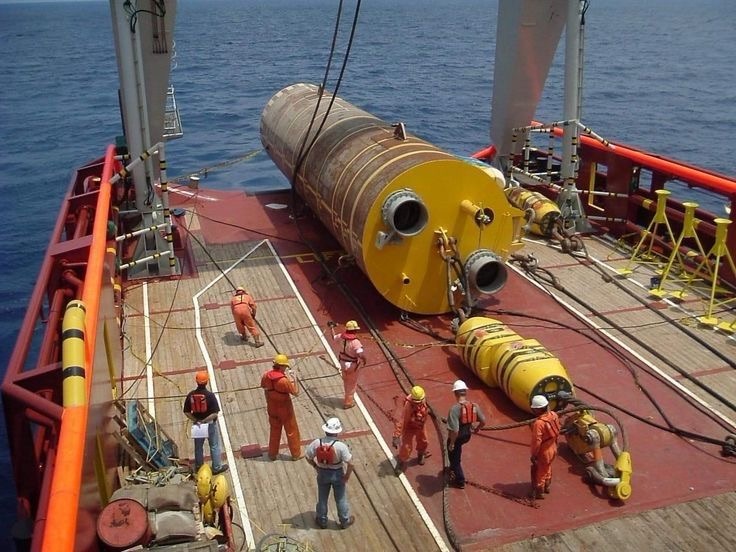
Nigeria’s oil, gas, and marine industries are very important to the economy. But much of the equipment used — like pipelines, oil rigs, ships, and port facilities — is old and worn out. These outdated systems are now more expensive to keep running and harder to sell.
So, companies are faced with a big decision:
•Should they keep spending money on old equipment?
•Should they build or buy new ones?
•Or should they try to sell them, even though few people want to buy?
The Problem with Keeping Old Equipment
Many of the machines and systems used today were built 30 to 50 years ago. Maintaining them now is:
•Very expensive: Fixing and checking old pipelines, replacing broken parts, and keeping the systems safe costs a lot of money.
•Risky: Old equipment is more likely to break down, cause oil spills, or even accidents.
•Not worth it: After spending so much on repairs, you still don’t get the same performance as a new one.
In fact, keeping old equipment can cost up to 70% of the price of buying a new one — without the benefits.
Why New Equipment Is Better — But Hard to Afford
Buying or building new systems has clear advantages:
•They work better and are safer.
•They break down less often.
•They meet international safety and environmental standards.
But the downside is the cost. In Nigeria, getting the money to build or buy new things is hard because:
•Loans are difficult to access.
•The value of the Naira keeps dropping.
•Prices keep rising (inflation).
•Government approvals take too long.
Still, in the long run, investing in new equipment can save money and improve productivity.
Selling Old Equipment? Easier Said Than Done
Selling old oil rigs, ships, or pipelines isn’t easy:
•Buyers don’t want to spend money fixing them.
•It’s hard to get government approval to use old equipment.
•Environmental rules are stricter now.
•Insurance for old systems is expensive or hard to get.
Even when you find a buyer, they may not pay much — and the sale can take a long time.
What’s the Way Forward? A Smarter, Hybrid Approach
Rather than choosing just one option, the best solution is a mix of different strategies. Here’s what Nigeria should do:
1. Know What’s Worth Keeping
Use technology to check which assets still have value and which ones are too far gone. This helps avoid wasting money.
2. Government and Private Sector Should Work Together
The government and big oil companies can create special funds to help smaller companies pay for new equipment.
3. Use Smaller, Portable Systems
Instead of big, permanent setups, companies can invest in portable and modular systems that are easier to move, maintain, and replace.
4. Recycle Old Equipment
Set up centers where old parts can be cleaned, repaired, and reused. This saves money, reduces waste, and creates jobs.
5. Lease Instead of Buy
Instead of buying equipment outright, companies can lease it from service providers. This cuts costs and reduces risk. Insurance companies like TGH Insurance Brokers can help make these deals safe and smooth.
In Summary
Fixing old oil and marine equipment in Nigeria is getting more expensive and risky. Building or buying new systems is better, but costly upfront. Selling old gear is tough because no one wants it.
The best solution is a smart mix:
•Know what to keep and what to replace.
•Partner with others to share costs.
•Use flexible portable systems.
•Recycle where possible
•Lease equipment instead of buying it outright.
With the right strategy, Nigeria can modernize its oil and marine industries and stay strong in the global energy market.
 The Sttewwards Limited